






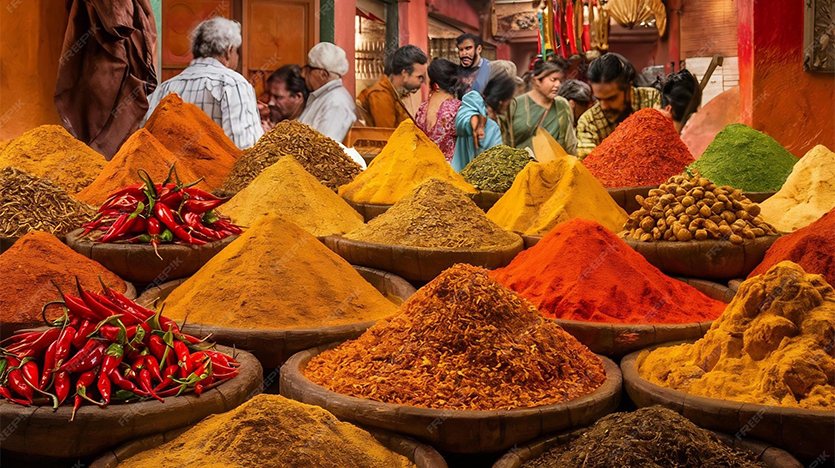
India is one of the world’s largest producers and exporters of spices, known for its rich aroma, strong flavors, and superior quality. Among the most in-demand spices in the global market are dry red chillies and turmeric. Exporting these spices can be highly profitable when done with the right knowledge, compliance, and supply chain management. This guide covers everything you need to know to start and grow a successful spice export business.
Understanding the Global Demand
Spices like dry red chillies and turmeric are widely used across international cuisines, food processing industries, and even pharmaceuticals. Turmeric, in particular, has seen rising demand due to its health benefits, including anti-inflammatory and immunity-boosting properties.
Key export markets include:
- Middle East (UAE, Saudi Arabia)
- Southeast Asia (Malaysia, Thailand)
- Europe
- United States
Types of Products for Export
Dry Red Chilli (HSN: 09042110)
- Available in different varieties (Teja, Byadgi, etc.)
- Exported in whole or powdered form
- Known for color, pungency, and flavor
Turmeric (HSN: 09103020)
- Whole turmeric fingers or powder
- High curcumin content preferred in global markets
- Used in food, cosmetics, and medicine
Step-by-Step Export Process
1. Business Registration
Start by registering your business as a sole proprietorship, partnership, or private limited company.
2. IEC Code (Import Export Code)
Obtain an IEC from the Directorate General of Foreign Trade (DGFT). This is mandatory for all export activities.
3. APEDA Registration
Register with the Agricultural and Processed Food Products Export Development Authority (APEDA) for exporting agricultural products.
4. FSSAI License
Ensure you have an FSSAI license for food safety compliance.
Quality Standards and Compliance
Maintaining quality is critical in spice exports. Buyers expect consistency and adherence to international standards.
Important considerations:
- Moisture content control
- Proper cleaning and grading
- No contamination (dust, pesticides, aflatoxins)
- Compliance with importing country regulations
Certifications such as ISO, HACCP, and organic certification can increase credibility and demand.
Packaging and Labeling
Proper packaging ensures product safety and shelf life during transit.
- Use moisture-proof and food-grade packaging
- Common packaging: jute bags, PP bags, vacuum packs
- Label must include:
- Product name
- HSN code
- Net weight
- Country of origin
- Exporter details
Logistics and Shipping
Choosing the right logistics partner is crucial.
- Mode of transport: Sea freight (most common for bulk exports)
- Ensure proper documentation:
- Commercial Invoice
- Packing List
- Bill of Lading
- Certificate of Origin
- Phytosanitary Certificate
Efficient logistics help maintain product quality and ensure timely delivery.
Pricing and Market Strategy
To stay competitive:
- Monitor global spice prices
- Understand demand trends in target countries
- Offer competitive pricing without compromising quality
Building long-term relationships with international buyers is key to sustained growth.
Challenges in Spice Export
- Strict international quality regulations
- Price fluctuations
- Logistics and transit delays
- Competition from other exporting countries
Overcoming these challenges requires strong supplier networks, quality control, and market research.
Conclusion
Exporting dry red chillies and turmeric from India offers excellent business opportunities due to strong global demand and India’s reputation in the spice market. With proper documentation, quality assurance, and efficient logistics, exporters can build a profitable and sustainable business.
Focusing on quality, compliance, and customer relationships will help establish a strong presence in international markets and ensure long-term success in the spice export industry.

Leave A Comment